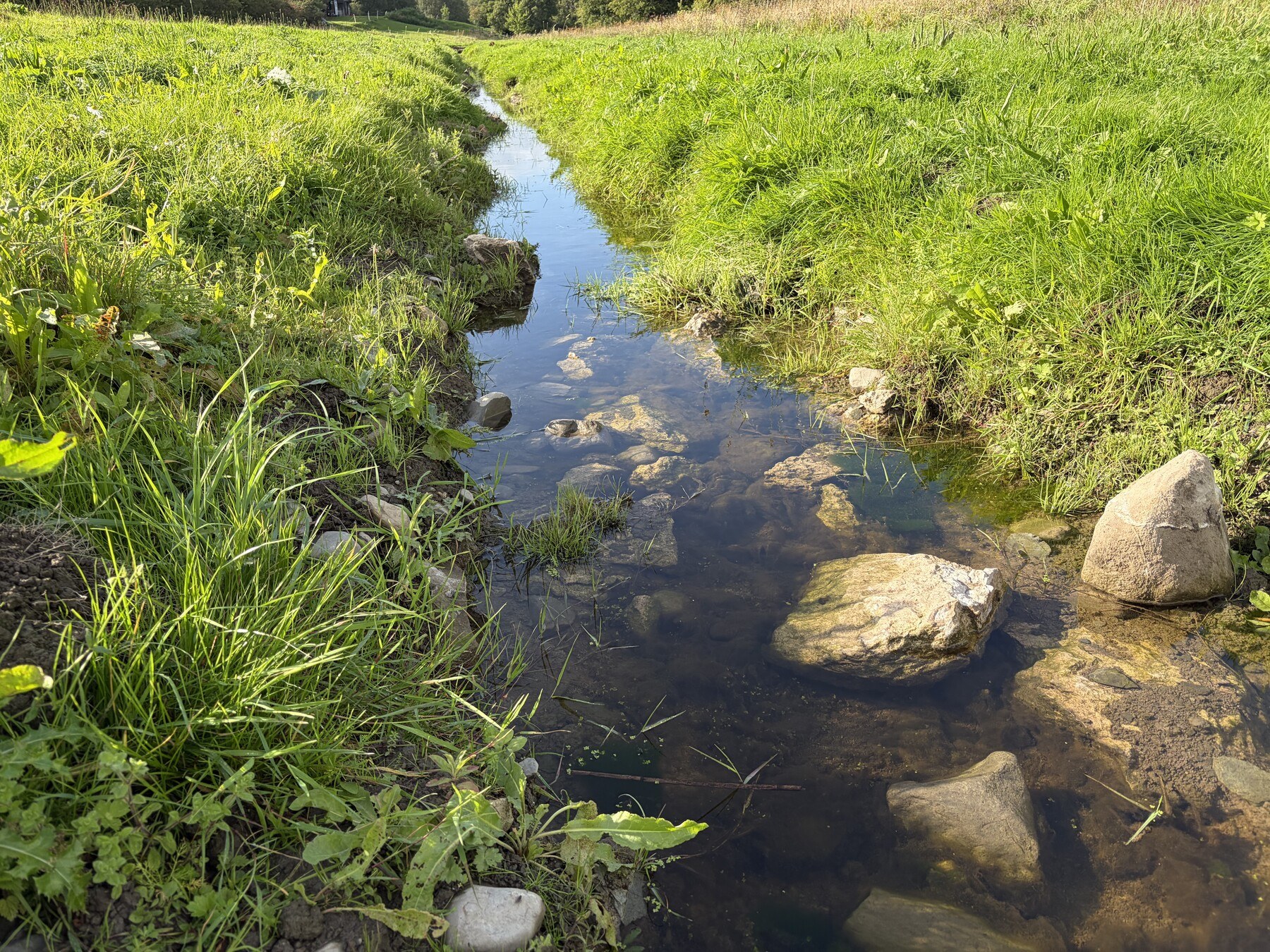
A stream brought back to life
We have reopened 162 metres of former culvert as a new stream, restoring an open watercourse through the meadow.
Beetham, South Cumbria
Off-site biodiversity net gain units from Beetham, Westmorland and Furness, in the Morecambe Bay Limestones landscape. Local nature recovery, managed for the long term.
Discuss your BNG requirementBeside the River Bela. Managed for the long term.
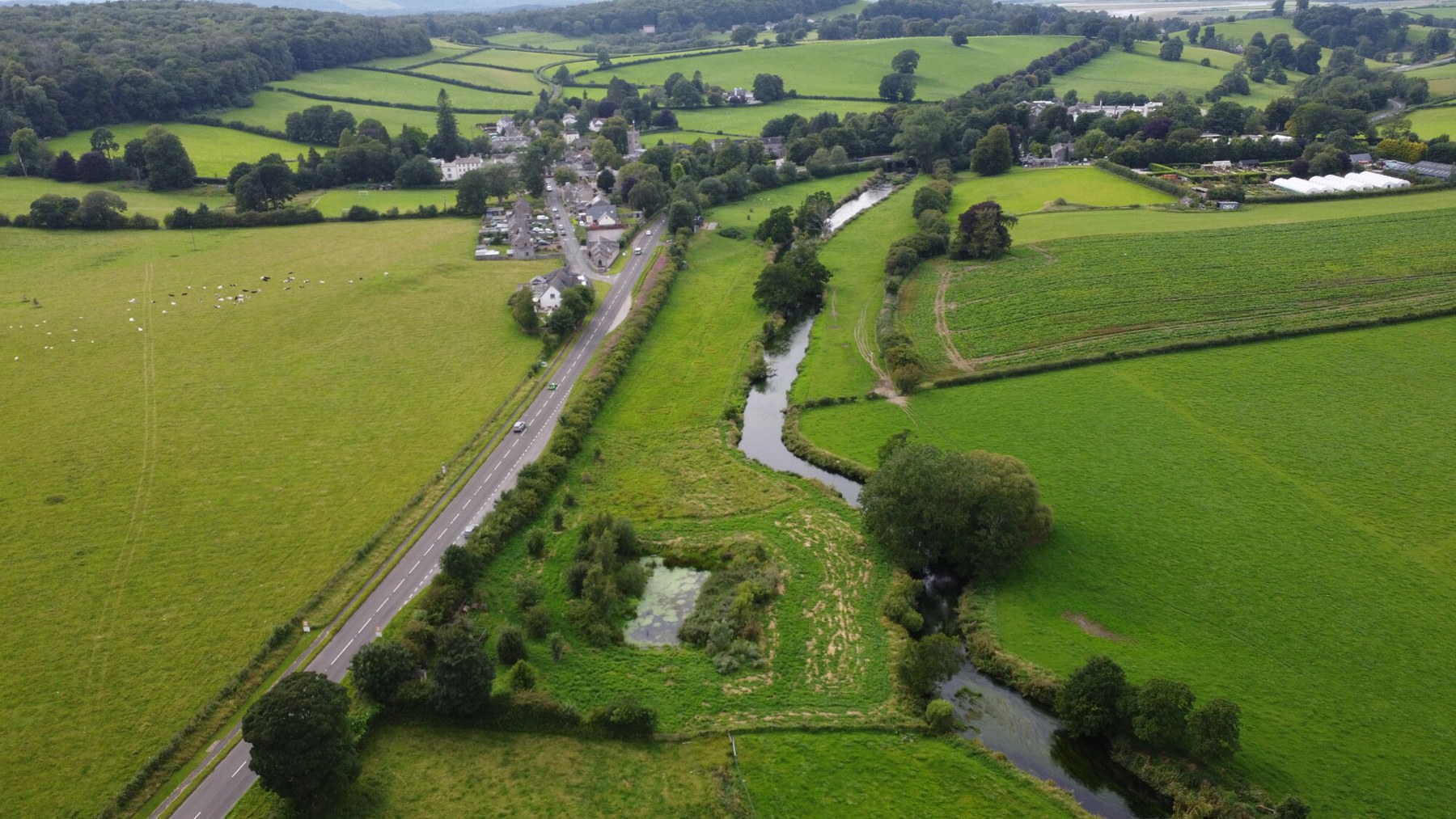
Where the alder trees grow
Ellers Meadow takes its name from “where the alder trees grow”, echoing the Old Norse “eller” for alder.
We protect our veteran alders by excluding livestock from the River Bela’s banks and planting new alders to continue their legacy. Around them, a wildflower meadow, reopened stream, reedbeds, wildlife pond and traditional orchard create a rich mix of habitats.
Our 30-year management plan supports lasting habitat improvements and off-site units to help developments meet their biodiversity net gain requirements.
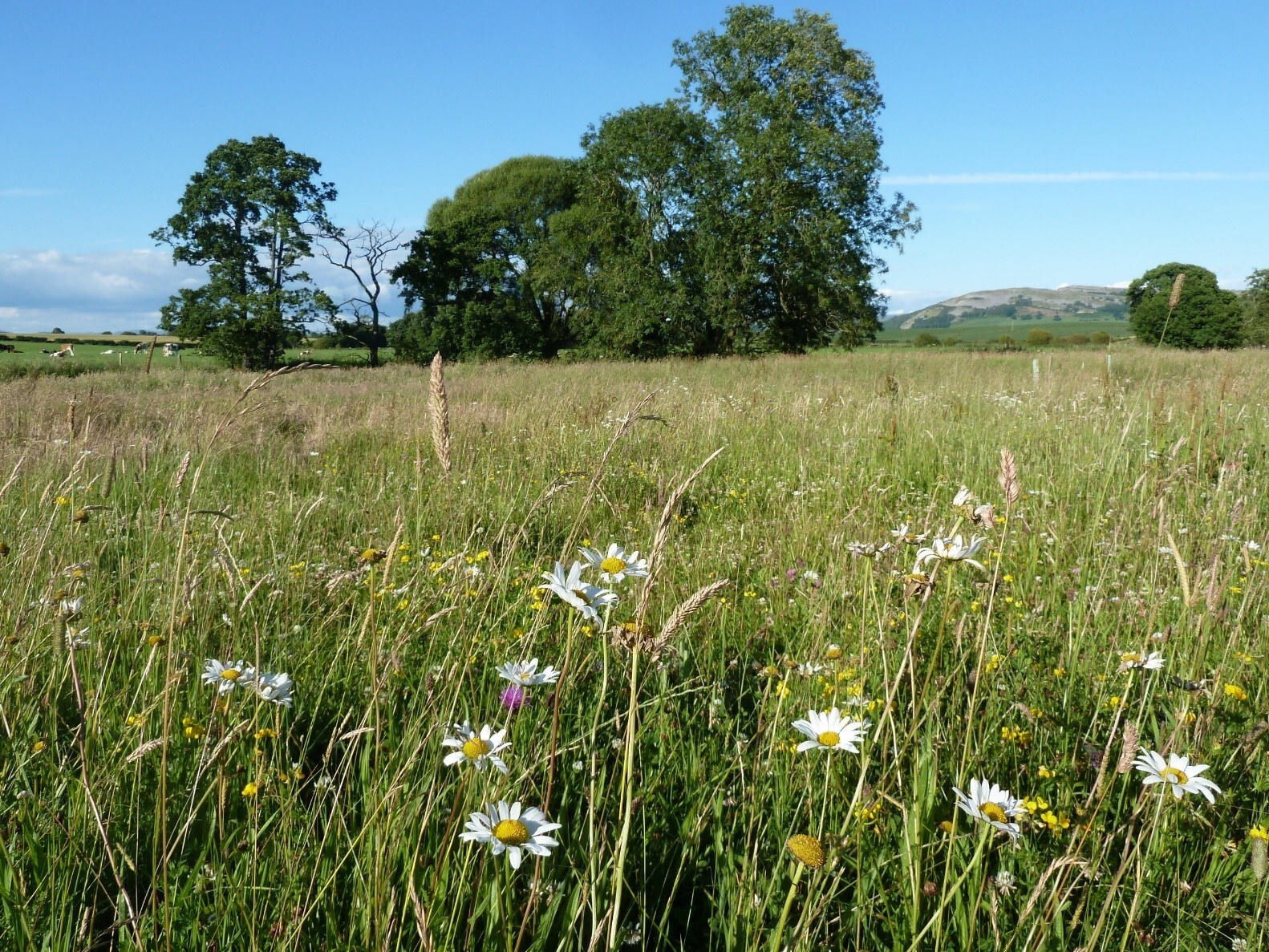
Off-site biodiversity net gain
Ellers Meadow Habitat Bank offers off-site BNG units for developers, planning consultants and landowners. Our habitat creation and enhancement scheme provides the following habitat types for sale:
Species-rich native hedgerows with trees.
Other rivers and streams, delivered through the restoration of an open stream from a former culvert.
Send us your biodiversity metric and development location. We can check the habitat match, trading rules and spatial requirements and provide a quote for suitable units.
Enquire about BNG unitsBNG in Cumbria and neighbouring areas
Ellers Meadow is beside the River Bela at Beetham, near Milnthorpe in South Cumbria. The habitat bank is in the Westmorland and Furness Council local planning authority area and Morecambe Bay Limestones National Character Area (NCA 20).
We welcome enquiries for developments across Westmorland and Furness, including Kendal, Milnthorpe, Grange-over-Sands, Ulverston, Barrow-in-Furness and Penrith. Parts of the council area are within national parks, where the national park authority handles planning applications.
We also welcome enquiries from Lancaster City Council, Cumberland Council, North Yorkshire Council, Durham County Council and Northumberland County Council areas, and from the Lake District National Park Authority and Yorkshire Dales National Park Authority planning areas.
For area habitat and hedgerow units, the development’s local planning authority and National Character Area help determine the statutory metric spatial risk multiplier. A development in the same Morecambe Bay Limestones NCA may benefit from a local habitat match even when it falls within a different planning authority. We check the applicable multiplier for each enquiry.
For river and stream units, suitability is assessed against the relevant waterbody and catchment rather than the LPA or NCA alone. Contact us with your site location to check compatibility.
Landscape reference: Natural England’s Morecambe Bay Limestones NCA profile.
Habitat creation in practice
Ecology guides our work on the ground, from restoring flowing water to giving birds space to nest and feed.
We have reopened 162 metres of former culvert as a new stream, restoring an open watercourse through the meadow.
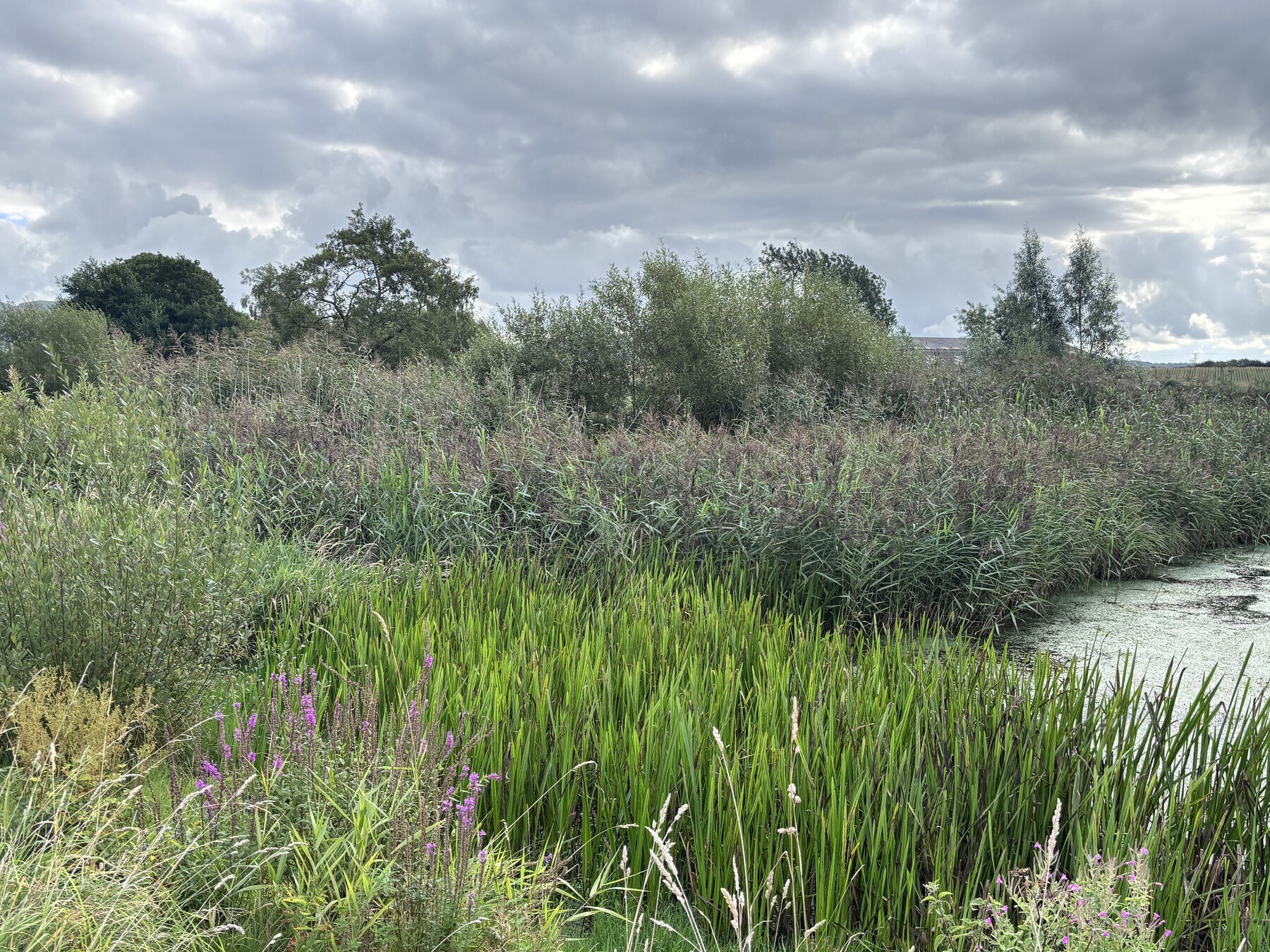
Our wildlife pond, reedbeds and pond margins provide varied wetland habitats alongside the River Bela.
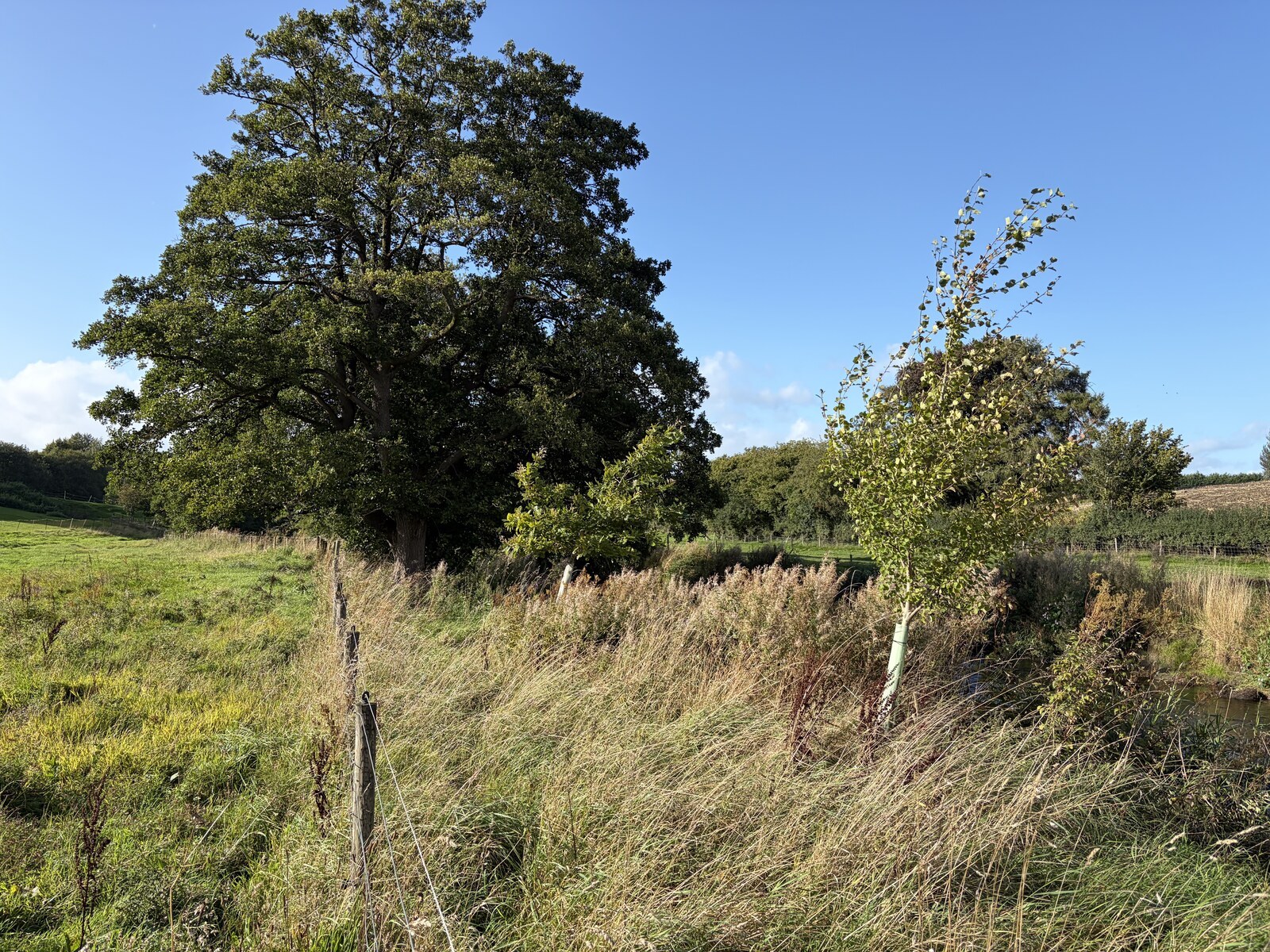
Livestock exclusion protects the riverbanks and veteran alders. New planting continues their legacy.
For developers, consultants & brokers
Share your biodiversity metric and site details. We will check the habitat types you need, spatial fit and current availability, then provide a development-specific quote.
Units are available through Envirotech and selected partners.
Ask about availabilityDiscuss your area habitat requirement and the habitats needed to meet the metric’s trading rules.
Ask us to check your hedgerow requirement against the current portfolio.
Discuss your watercourse requirement, catchment and spatial fit.
Indicative portfolio. Unit types, quantities, suitability and availability must be confirmed for your development.
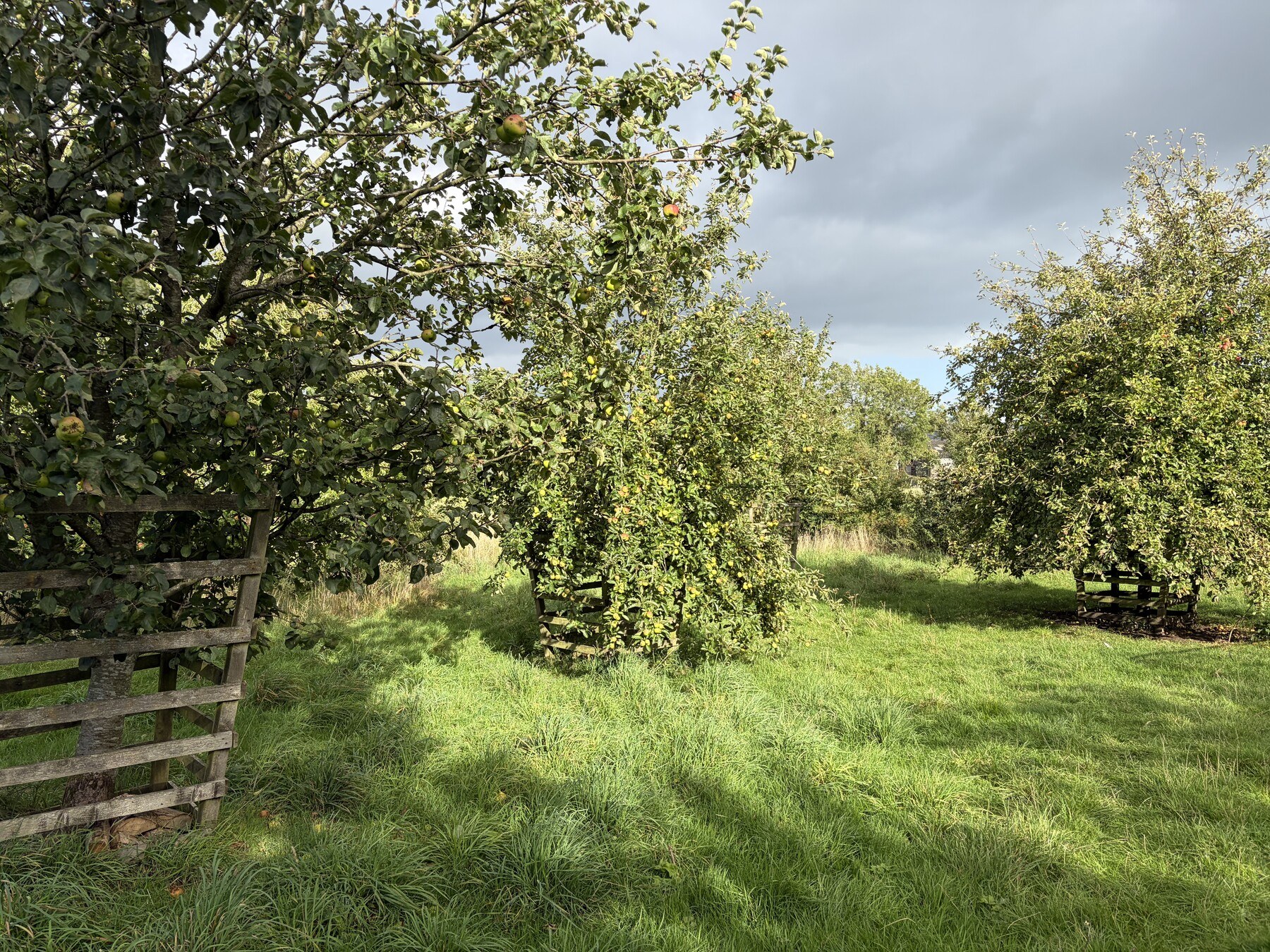
A habitat bank with a wider life
Ellers Meadow is a place where schools and community groups can experience habitat creation first hand and learn about the wildlife around them.
The traditional orchard is in production, with honey bee hives adding to the meadow’s wider life. Contact us to discuss a group visit.
Ecology-led stewardship
Envirotech directors, ecologists and long-term custodians of Ellers Meadow. Together they bring more than 40 years of experience in ecology and land management, linking the sale of biodiversity units to the ongoing care of the habitats that deliver them.
From enquiry to allocation
Send your metric, location and planning details, together with your timescale.
We check habitat requirements, spatial fit and availability, and confirm a quote.
Proceed through the purchase and registered allocation process, subject to the required agreements and approvals.
Talk to Envirotech
Send us your metric and site details to check suitability and current availability. For school or community visits, contact us to discuss your group.